Login
Producers
Basket

products: 0

value: €0.00

go to cart

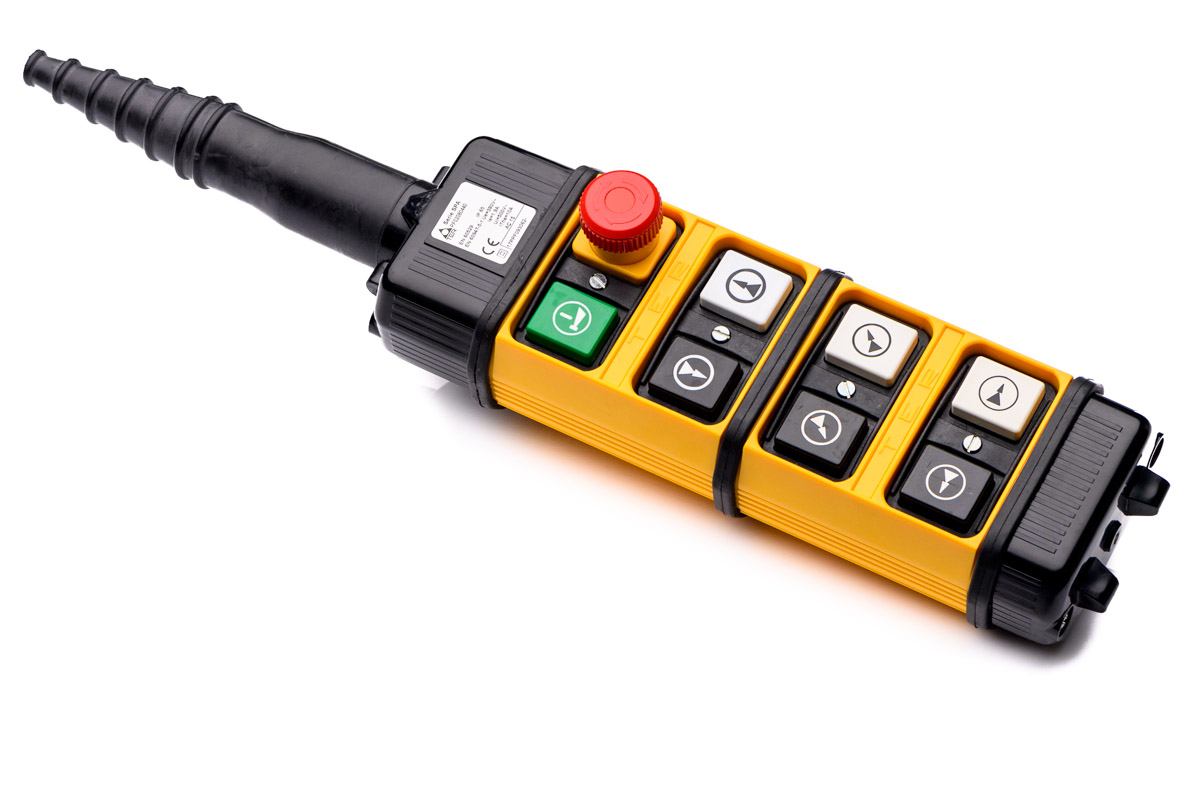
Pendant control station MIKE TER

What is the purpose of the MIKE TER control panel?

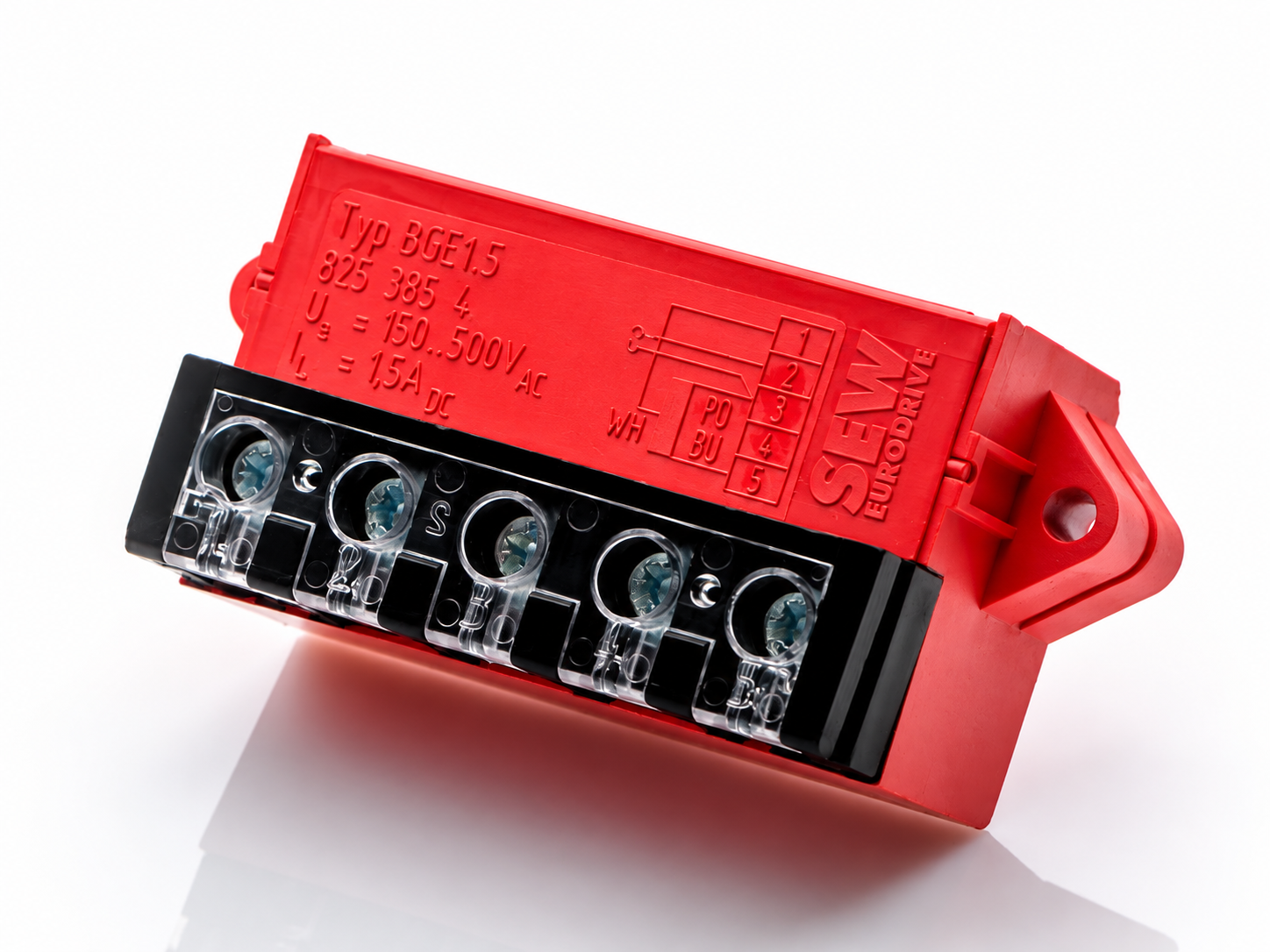
The MIKE control panel is used to control devices such as cranes, hoists, jibs, assembly lines, stage decoration lifting, curtains, and generally for controlling the movement of machines and equipment.

What are the features and capabilities of the MIKE control panel?

The MIKE control panel is a hanging control panel designed for auxiliary control. It has a modern, intuitive design developed by an industrial design studio, based on the needs of users. The MIKE controller is the result of a thorough analysis of ergonomic aspects, meeting the highest standards. It is easy to use and designed to minimize maintenance time and reduce downtime and maintenance costs.

Features:

  • Reduced installation and wiring time and costs: The cable, inlet, and switches in the base of the control station are separated from the actuators installed on the cover. This ensures quick and efficient assembly and disassembly.
  • Rubber buttons with symbols protect against dust and prevent jamming when the control station is used in harsh conditions.
read more »
Bellows type Air Springs Rubena

What are bellows type Air Springs Rubena used for?

Bellows Rubena, also known as air springs, are commonly used in pneumatic suspension systems in vehicles such as trucks, buses, and passenger cars. Their main advantage is that they provide ride comfort and reduce road shocks. They function like shock absorbers.

Bellows are also used in heavy construction equipment for lifting and stabilizing components, which is crucial for transport operations.

Rubena bellows cylinders offer cushioning, flexibility, and precise movement control.

read more »
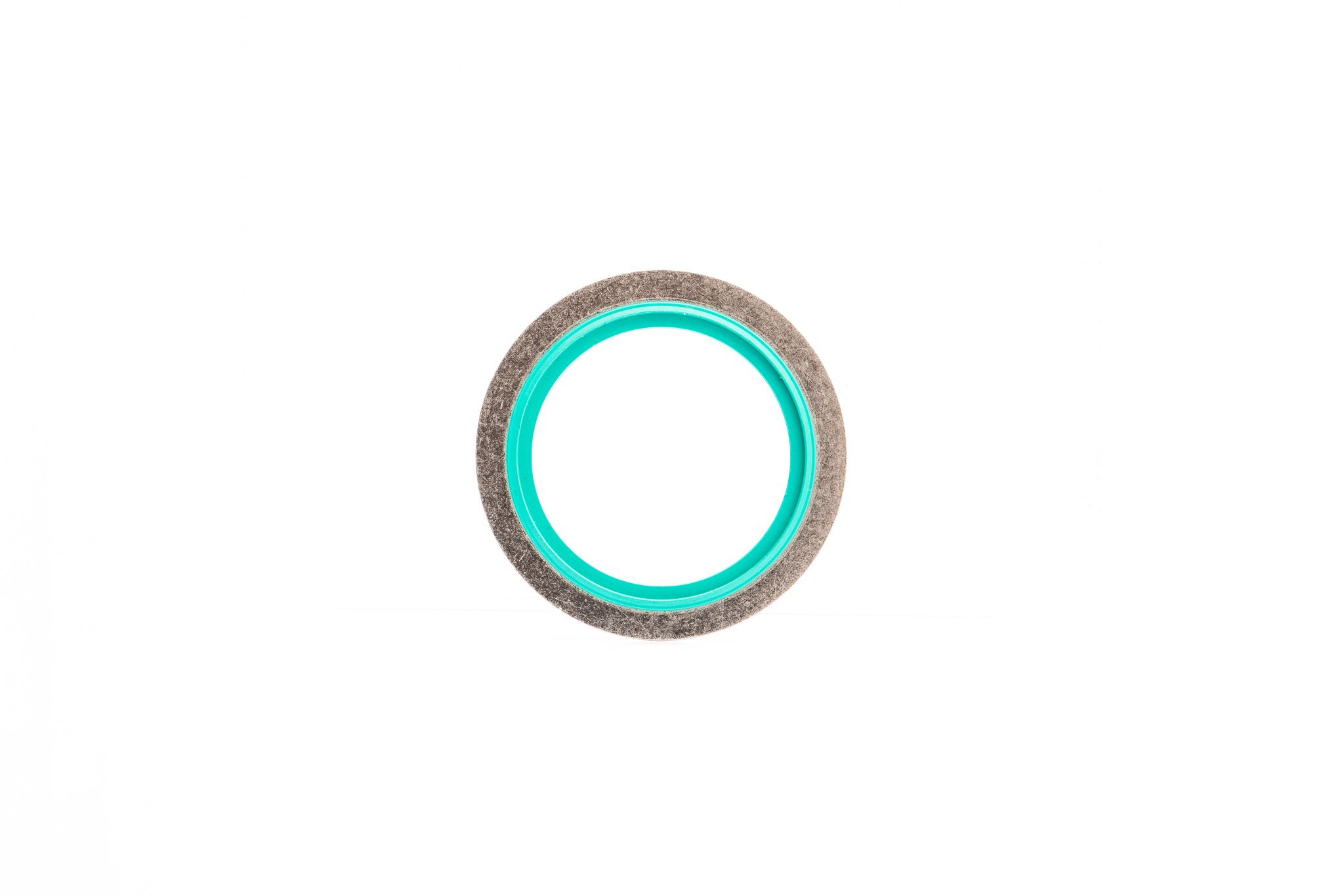
Metal-rubber washer
Metal-rubber washer MET-GUM

Here you can find information on:

  • What are the advantages of a metal-rubber washer?
  • How to replace a metal-rubber washer?

Metal-Rubber Washer


Metal-rubber washers, abbreviated MET-GUM, are used to seal threaded connections. They are used for sealing both metric and imperial threads.

read more »
Welding coupling

Welding Coupler

A welding coupler is an essential component in modern welding installations.

In today's welding industry, machine production, and construction, the welding coupler is one of the fundamental elements used in the process of joining various structural components. Although it may seem like a simple part at first glance, its role in ensuring strong and safe connections is invaluable.

What is a welding coupler?

A welding coupler is a metal component used to join two pipes, tubes, or other metal elements through welding.

It is a type of fitting that allows the connection of pipes with the same or different diameters. It is most commonly made of carbon steel, stainless steel, brass, or other metal alloys.

read more »
Hose fitting

Hose Fitting


A hose fitting is used to connect threaded fittings with a hose or pipe. The barbed end may slightly exceed the diameter of the hose, allowing a tight fit between the fitting and the hose, which helps prevent leakage.


They are available in the following materials:

  • Galvanized steel
  • Stainless steel
  • Brass
read more »
PTFE Gaskets

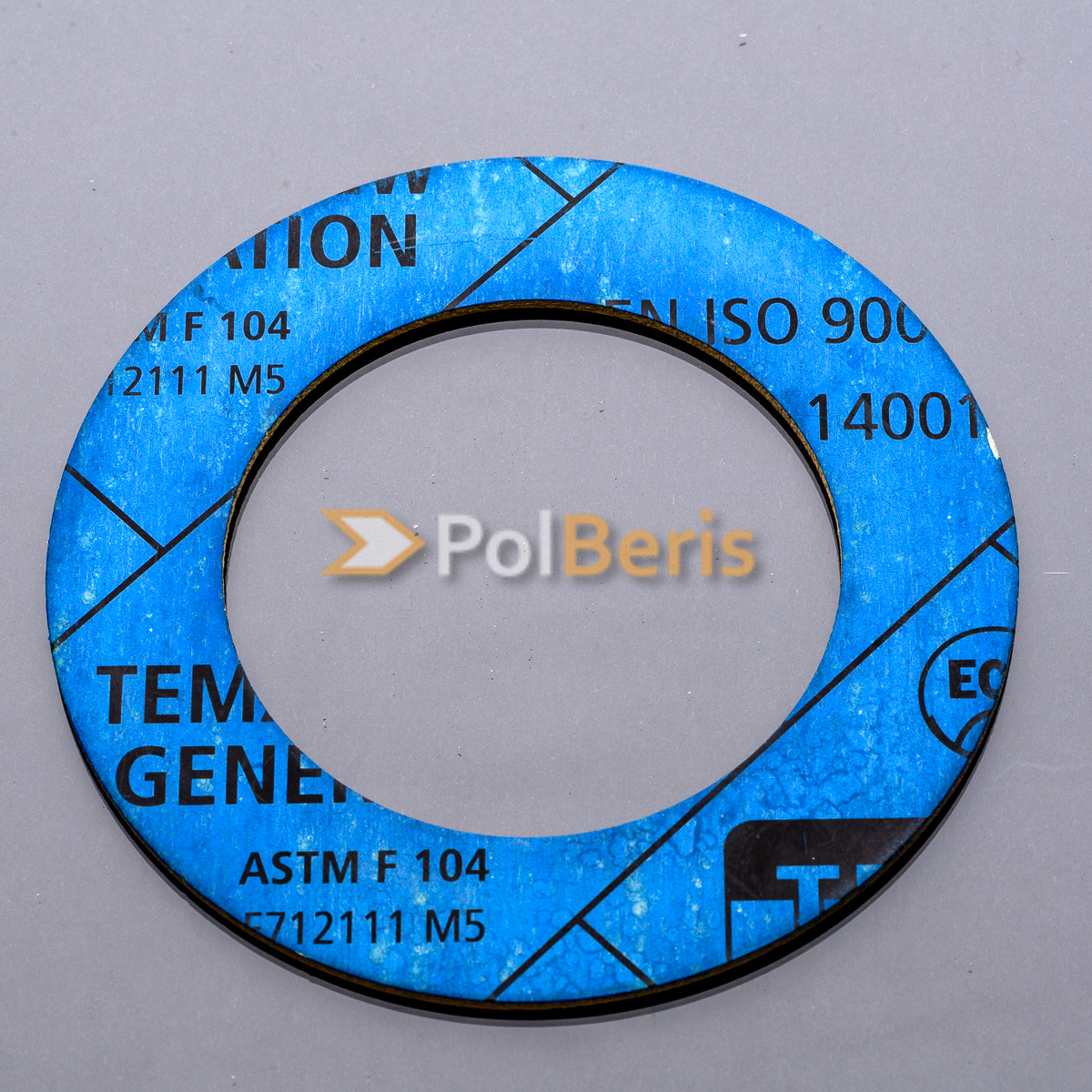
PTFE sealing is, in other words, a plastic material with a wide range of applications.

Operating temperature: -230°C / +260°C

Hardness: approx. 55 Shore A

Due to its properties, PTFE is often used in installations where the medium consists of acid and alkali solutions.

In principle, PTFE gaskets are used wherever high chemical resistance is required.

PTFE sealing -  is used as a sealing material for flange connections.

read more »
Steel flange

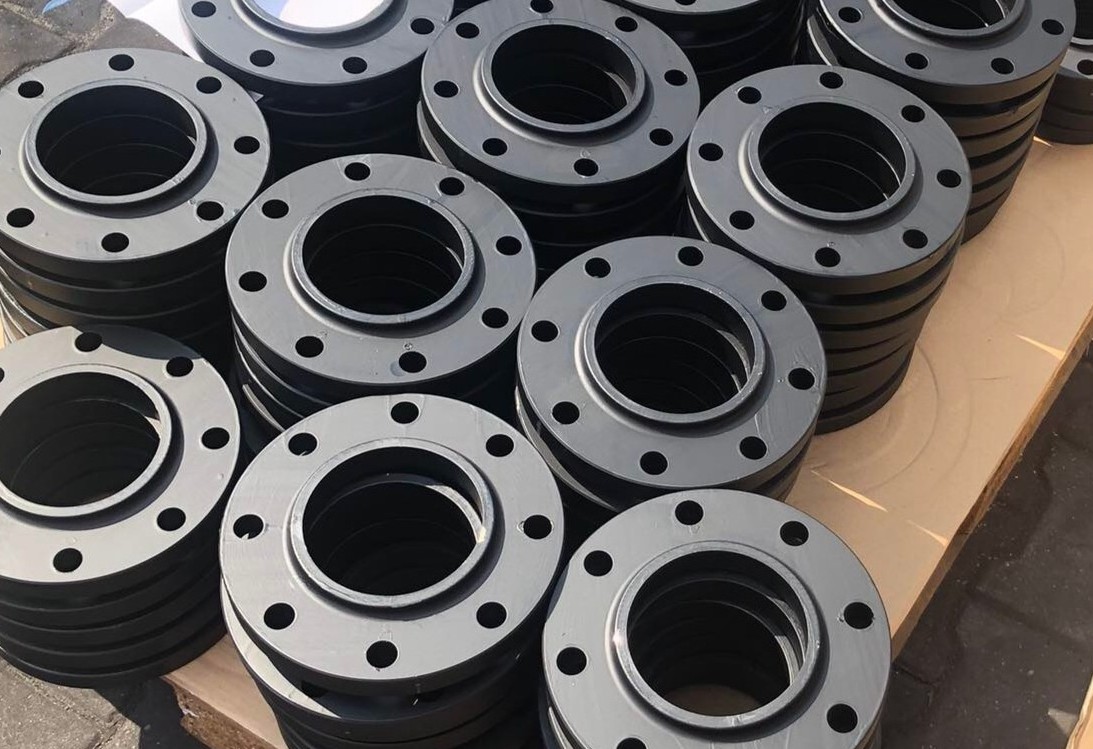
A steel flange is more than just a structural component; it is a key element in building effective and efficient piping systems. The flange serves as the main connector for joining pipes, valves, pumps, gates, sections of industrial installations, and other equipment.

read more »
MIKE TER Control Panel

The MIKE TER control panel, i.e. the hanging control panel (remote), is used for auxiliary control of industrial and lifting equipment. It has versatile applications. You can use it to control winches, hoists, cranes, and overhead cranes. This remote can also be used to control mobile hydraulic equipment, lift trucks, vehicles with lift gates, lifting platforms, garbage trucks, agricultural machines, car wash systems, stage setups, and stage curtains, etc.

Here you will learn where the control panel can be installed.

read more »
Hamburg elbow for welding

Hamburg Elbow for Welding


What is the application of a Hamburg elbow?


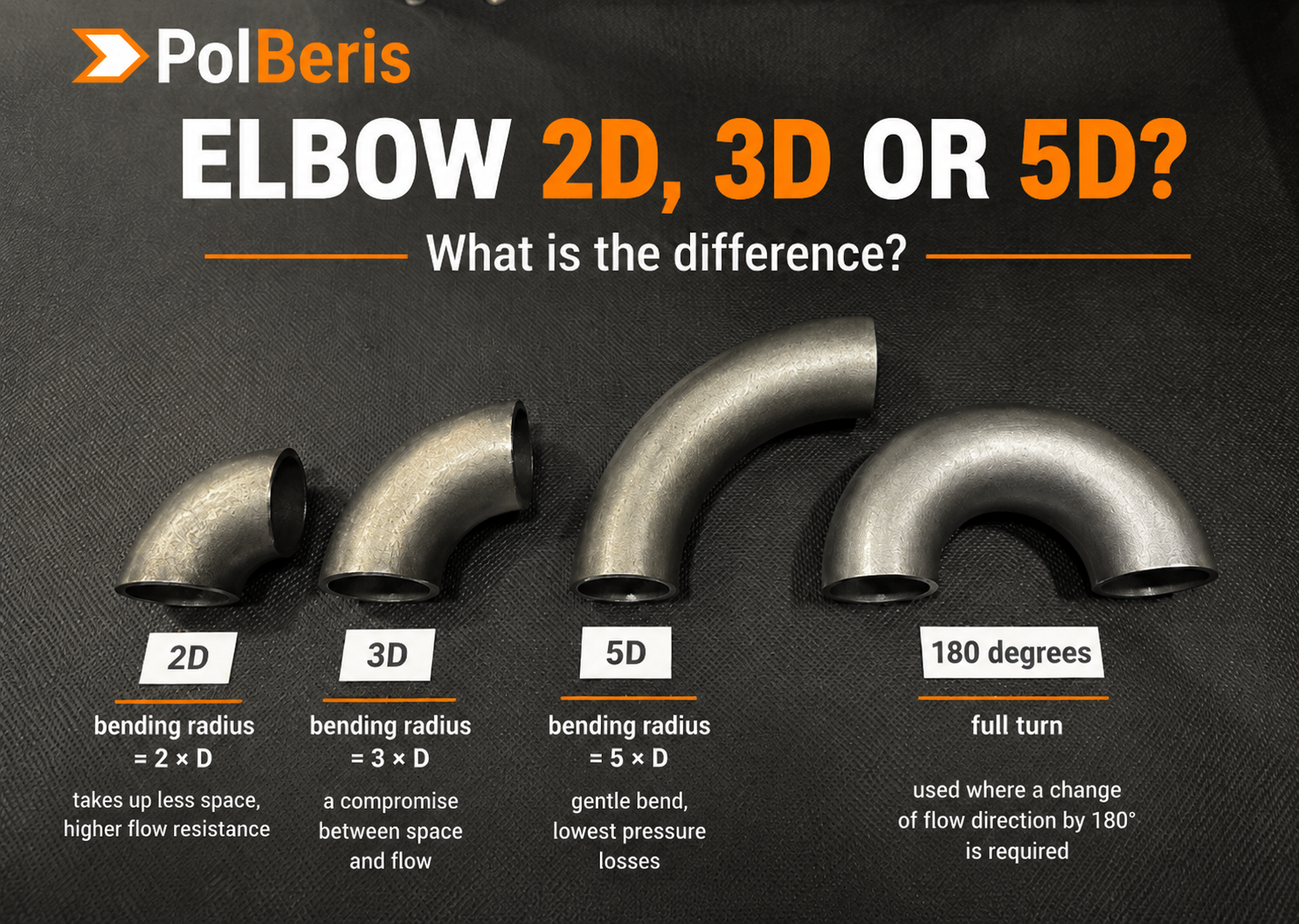
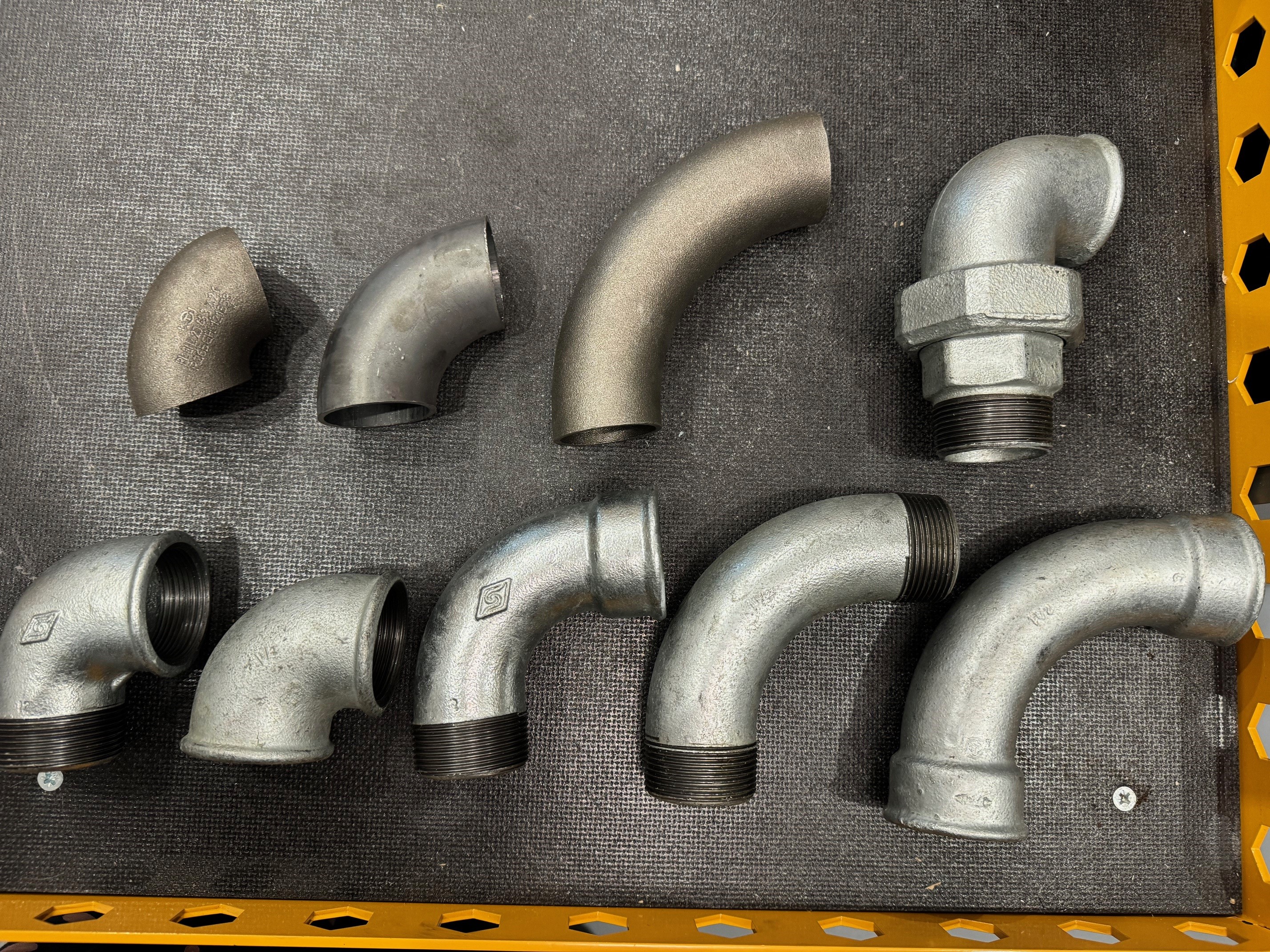
A steel Hamburg elbow is a pipe fitting for welding, used to change the direction of flow for media such as water, oil, or gas. The elbow allows for a quick change in the direction of the installation. Hamburg elbows are used in industrial systems and central heating installations. They are often used in barrier construction. Hamburg elbows are applied where the direction of the medium needs to be changed. The most common angles are 90 degrees, 45 degrees, or 180 degrees. They come with bending radii of 2D, 3D, and 5D. The bending radius and dimensions for welding elbows are specified in the table below. Elbows with a 3D bending radius are most frequently chosen by welders. 2D elbows are used where there is limited space.

You can order steel Hamburg elbows for welding here>>

read more »
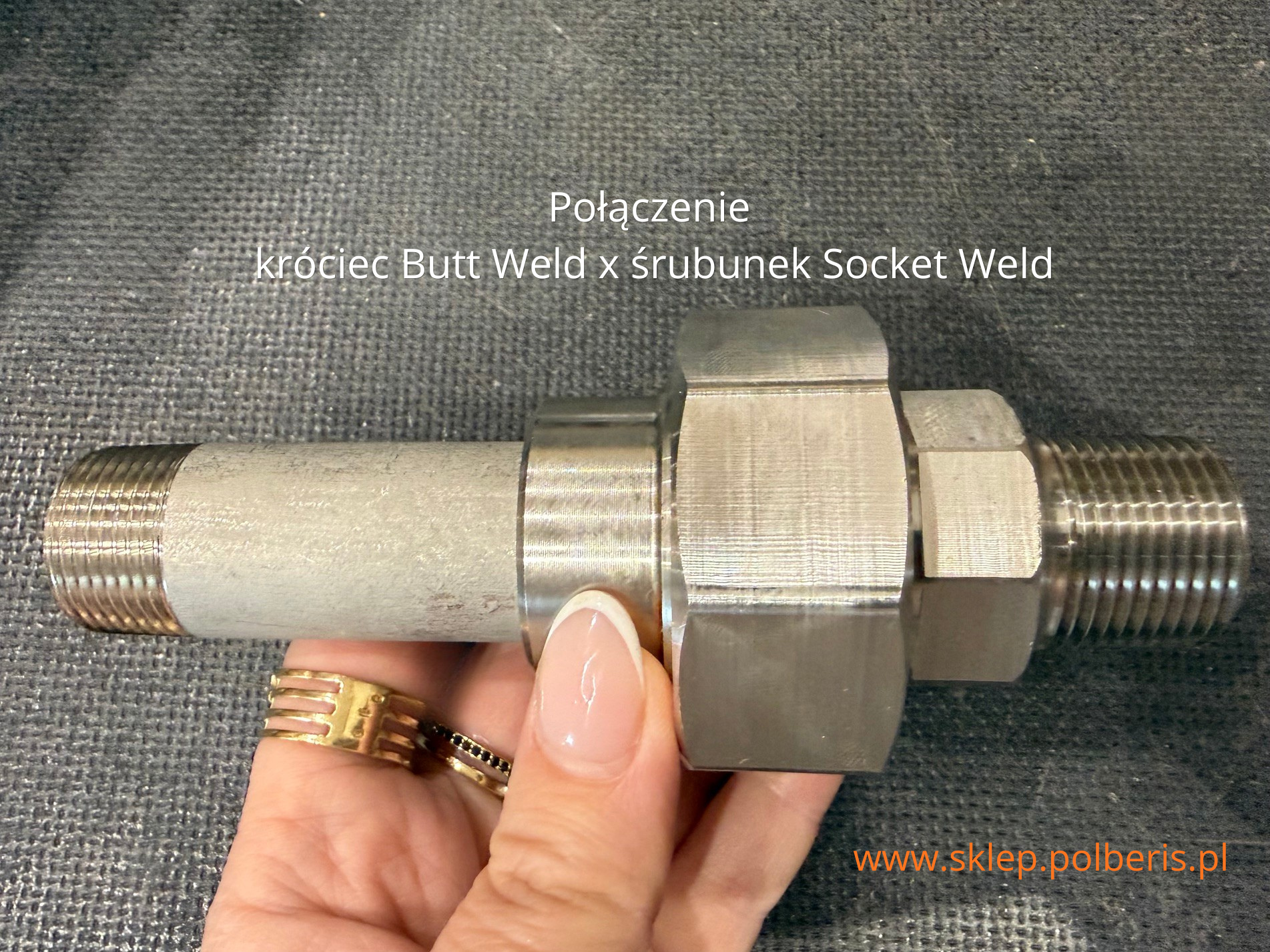
Threaded or welding coupling

Threaded or welded coupling

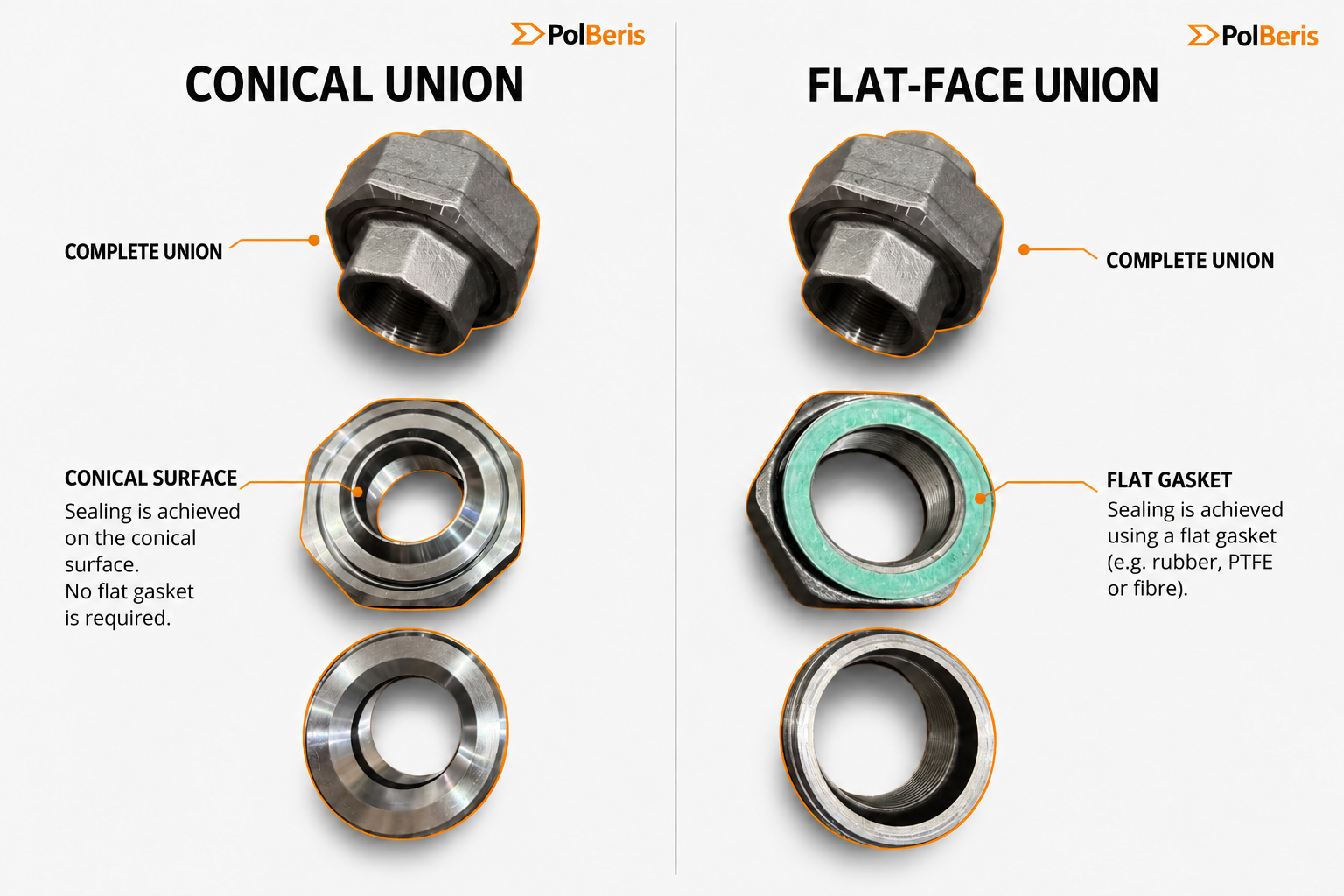
A threaded or welding coupling is a fitting that consists of three parts. The threaded or welding coupling is used for the quick connection and disconnection of hydraulic installations. Both the left and right parts of the coupling are used for connecting pipes, while the nut connects these components.

Couplings can be low-pressure or high-pressure, straight or angled. They can have two types of sealing: with a gasket or without a gasket, with a cone seal (metal-to-metal).

read more »
Graphite self-lubricating bushing

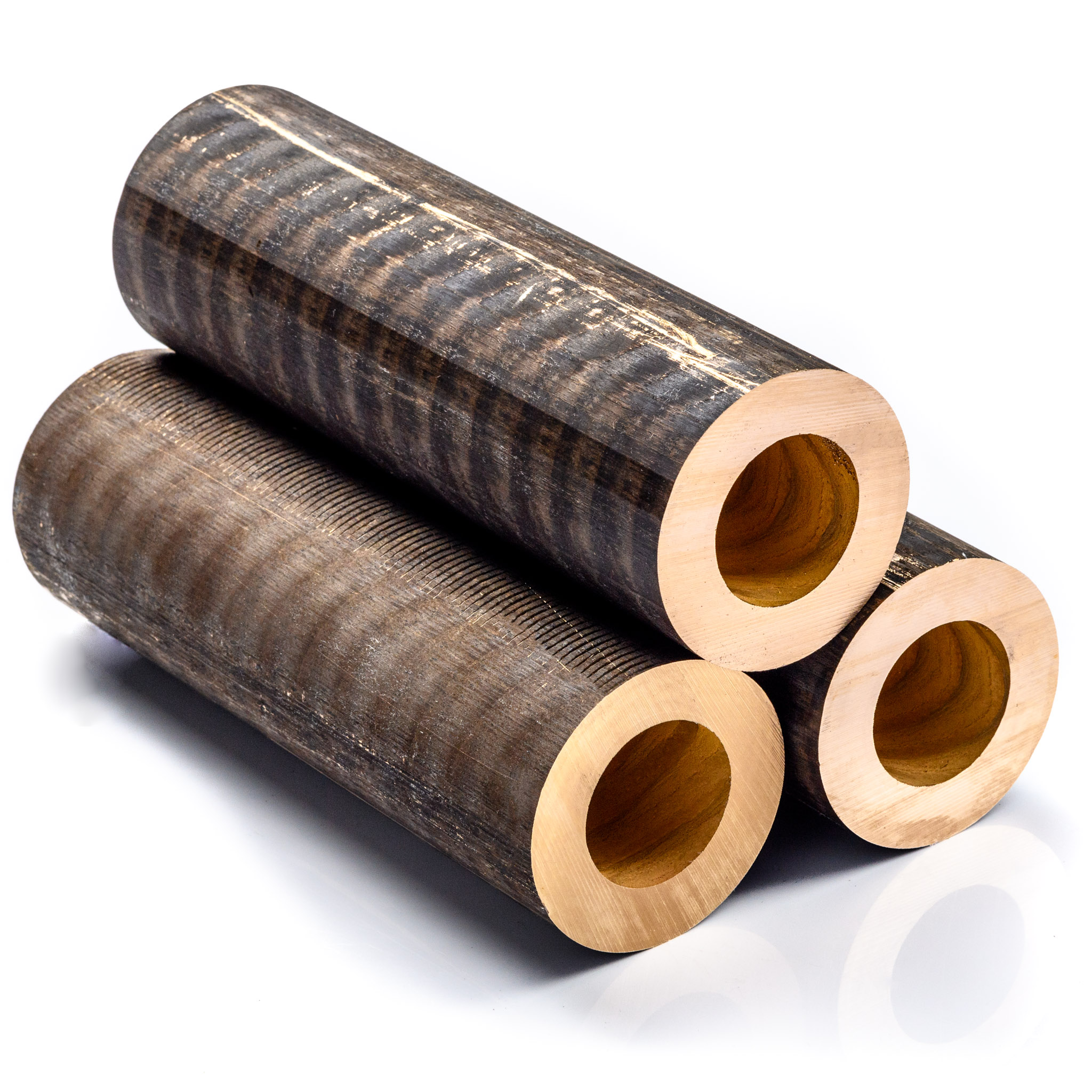
A self-lubricating graphite bushing is a maintenance-free bearing bushing as well as a guide bushing. Its main advantage is that it is self-lubricating, made from a special bronze with graphite. Thanks to the use of graphite, we can reduce machine maintenance costs, and they are also used in hard-to-reach areas, avoiding the need for re-lubrication.

Sankyo's sliding bushing – these maintenance-free sliding bearings are made from very hard bronze (base material) and specially arranged inserts of solid grease (graphite). The graphite is positioned in such a way as to align with the direction of motion. The base material carries the load, while the solid grease ensures lubrication throughout the service life of the bearing.

The graphite elements must be capable of lubricating the sliding surface of the bronze. During the bearing's rotation, a thin film of grease spreads over the bronze. This means that there must always be a gap between the two sliding surfaces for the bronze with graphite to work effectively.

read more »
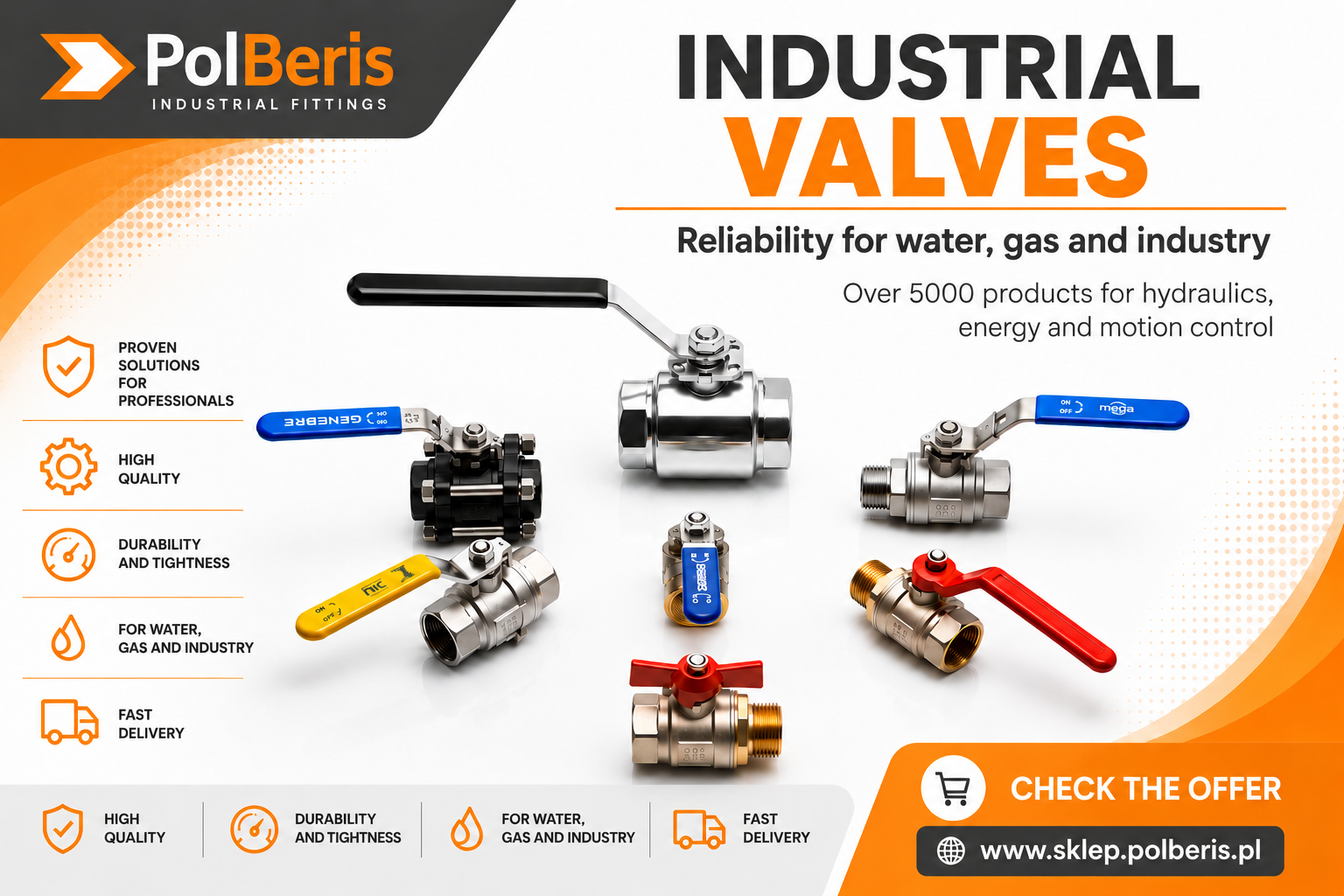
WOG ball valve

The WOG valve is a ball valve (also known as a ball cock) with a wide range of applications for media such as water, oil, and gas, in industrial and municipal installations. WOG valves can be made from brass, carbon steel, or stainless steel. It is common to find a combination of a brass or carbon steel body with a stainless steel ball.

WOG valves are used in hot water preparation systems, in industrial and domestic boiler rooms, in heat exchange stations, and systems distributing water for heating purposes. They are also used in industrial cold water systems, booster stations, systems delivering coolants or oils to various machines, car washes, and in compressed air installations, such as compressors.

read more »
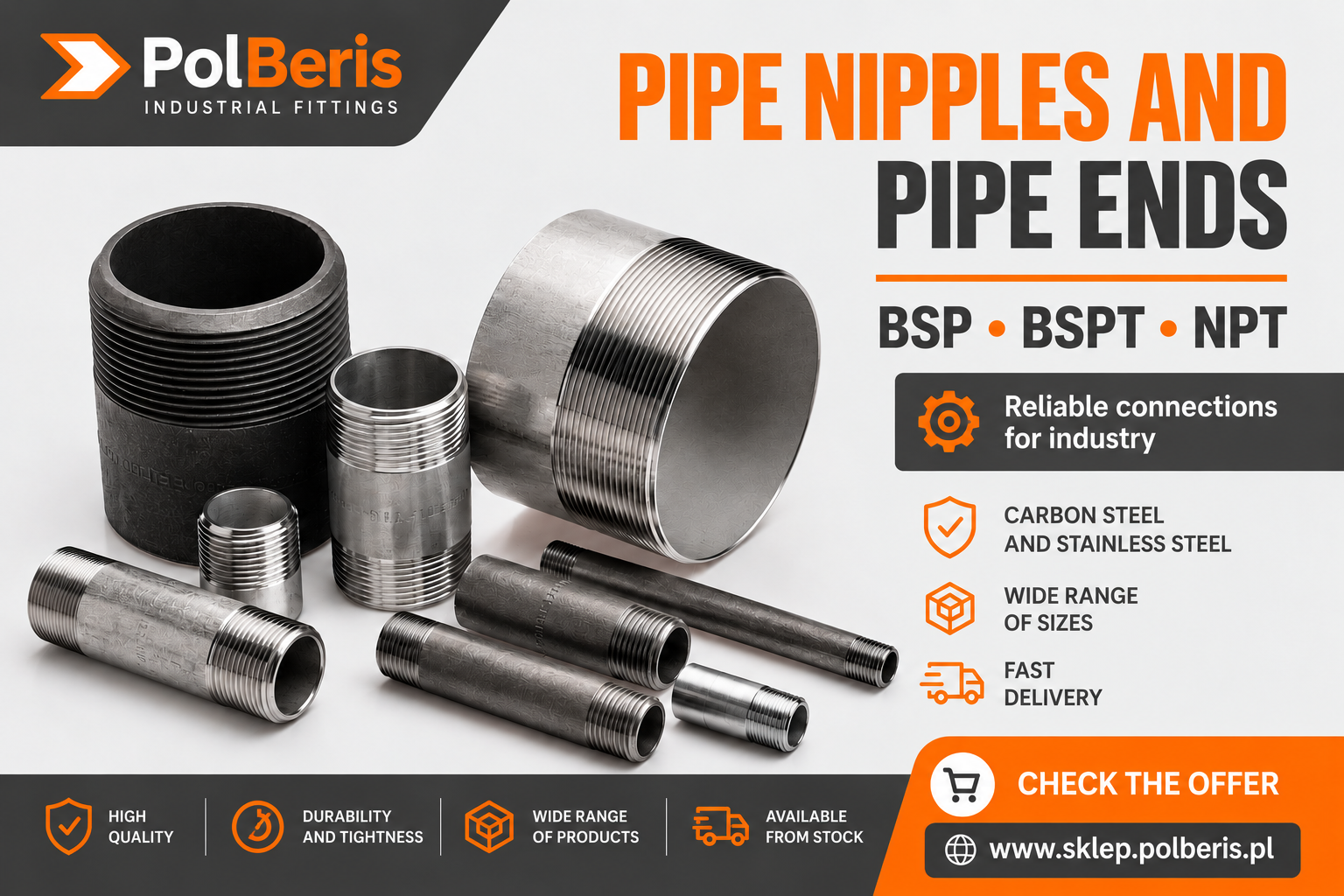
Types of threads: BSP, BSPT, NPT

Types of threads: BSP, BSPT, NPT


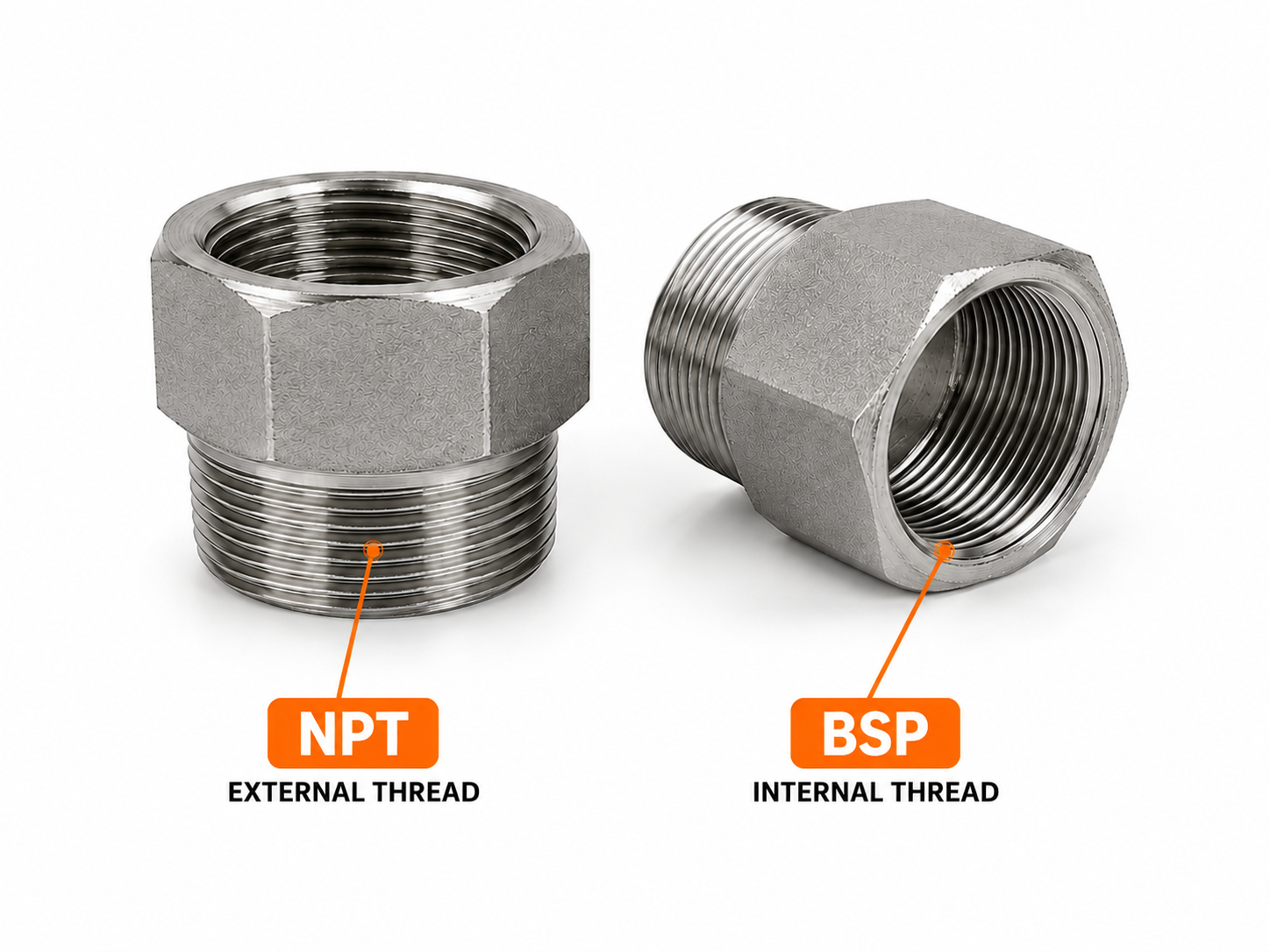
What are the types of threads? Where are BSP, BSPT, and NPT threads used? How can threads be connected? You will find all of this information in this blog.

The thread commonly used in hydraulics in Europe, and widely in other parts of the world, originates from the British BSP standard. This standard refers to a pipe thread based on the Whitworth profile, with measurements expressed in inches, and includes both parallel BSPP threads and tapered BSPT threads. The term BSP is the traditional name, but the forms of pipe threads have now been standardized as follows:

  • The ISO 228-1 standard defines a thread connection without sealing at the metal-to-metal contact point of the threads, and applies to both external and internal parallel threads marked as G. This type also refers to the ISO 228-1 description BSPP or simply BSPP; that is, BSPP = G,
read more »
up
Shop is in view mode
View full version of the site
Sklep internetowy Shoper.pl