


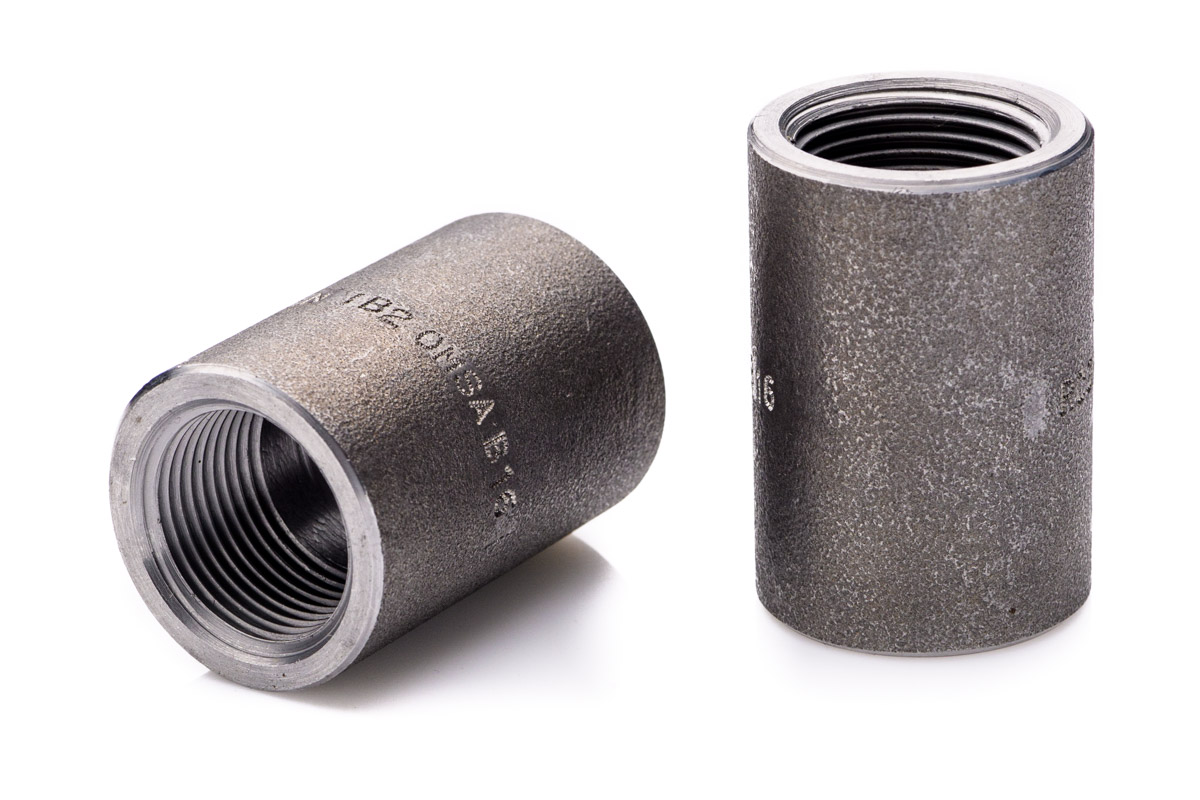
Welding Coupling
A welding coupling is an essential element of modern welding installations.
In today’s welding industry, machine production, and construction, the welding coupling is one of the basic components used in the process of joining various structural elements. Although it may seem like a simple part at first glance, its role in ensuring solid and safe connections is invaluable.
What is a welding coupling?
A welding coupling is a metal component used to join two pipes, tubes, or other metal elements through welding.
It is a type of fitting that allows the connection of pipes with the same or different diameters. It is most commonly made from carbon steel, stainless steel, brass, or other metal alloys.
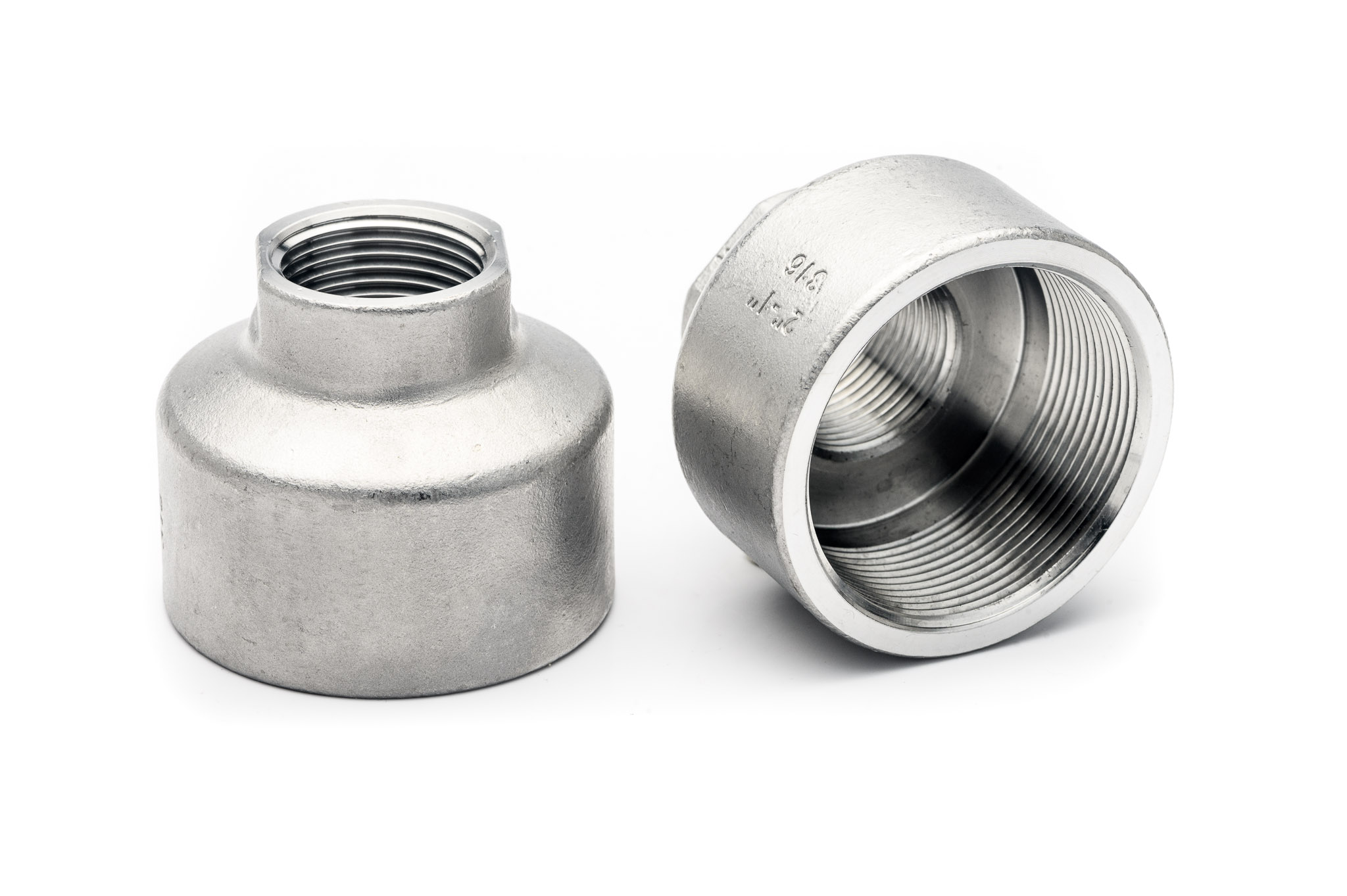

The coupling is available in various shapes, sizes, and types depending on the specific installation needs.
- Buttweld coupling – This is the most commonly used type of coupling, where two pipes are joined by their edges and then welded over the entire surface. This type of coupling provides a very strong connection and is mainly used in industrial installations.
- Reducing coupling – Used for connecting pipes of different diameters. It allows the joining of elements with different sizes without the need to replace the entire pipe.
- Through coupling (standard) – A coupling that connects two elements of the same diameter, for example, in water or gas installations.
- External and internal couplings – These differ in construction. The external coupling is placed over the outer part of the pipes, while the internal coupling fits inside the pipe, creating a strong connection on its inner surface.


Advantages of using welding couplings:
- High durability of connections – Thanks to the welding technology, connections made with the use of couplings are very strong and resistant to mechanical loads. Depending on the steel grade, the couplings are also resistant to temperature and chemical influences.
- Flexibility in construction – Couplings allow for the creation of various connections in industrial, water, gas, or energy installations, both in systems with large and small diameters.
- Safety – Welded connections are more durable and safer in long-term use compared to other types of connections such as threaded or clamped connections.
- Ease of installation – While the welding process requires specific skills, the coupling itself is relatively easy to install compared to other methods of joining pipes, which shortens installation time.
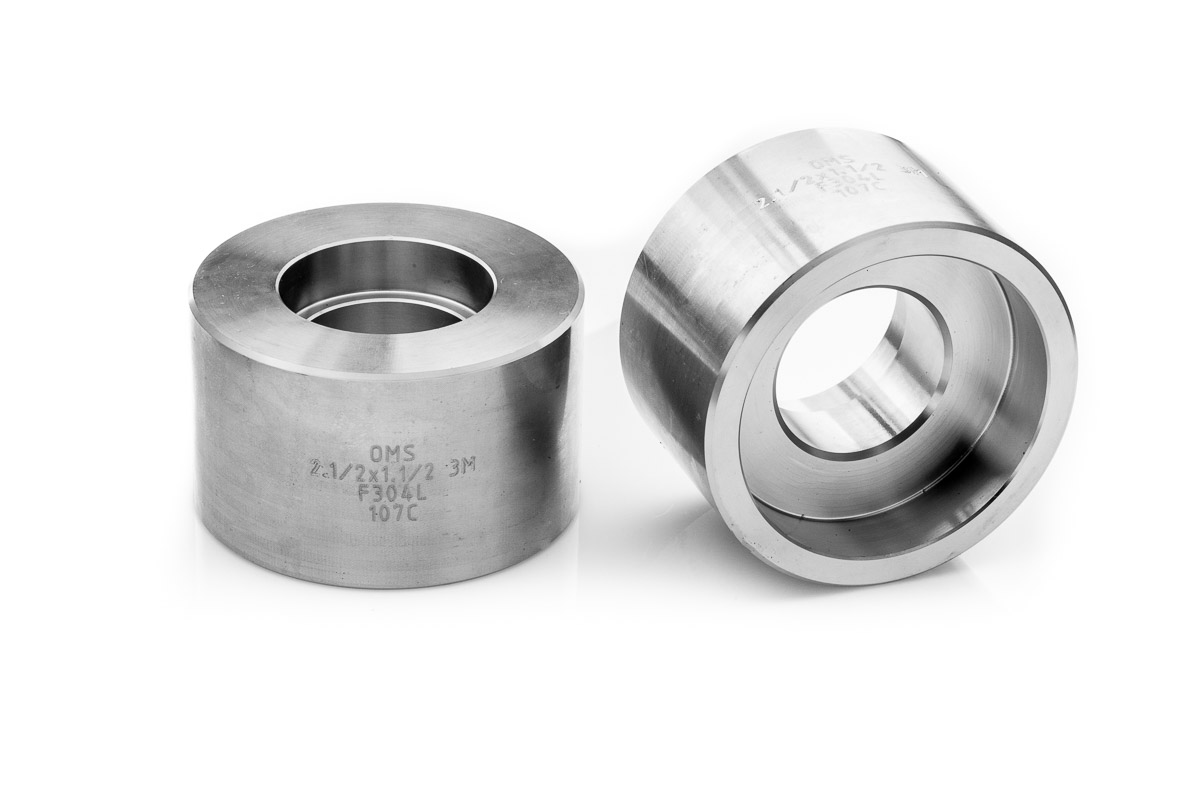
Applications of welding couplings:
Welding couplings are used in many industries, including:
- Gas installations – Thanks to strong and leak-proof connections, welding couplings are used in gas systems, both in transmission networks and domestic installations.
- Oil and chemical industry – In the petrochemical industry, where aggressive chemicals or high pressures are often transported, welding couplings ensure safe and durable connections. The most commonly used steel grades are P355GH, P355NH, A350 LF2, and A105.
- Water installations – Couplings are used to join pipes in water supply networks, ensuring durability and resistance to pressure.
- Construction – In steel constructions and other infrastructure elements, welding couplings are commonly used to join structural components. In these cases, carbon steel such as S235JR or P235GH is typically used.

How to choose the right welding coupling?
The choice of the appropriate welding coupling depends on several factors.
First, pay attention to:
-
Material
The most important aspect when choosing a coupling is the material it is made from. Depending on the environment in which it will be used, you should choose a coupling made from stainless steel, carbon steel, cast iron alloys, PVC, or other materials resistant to external factors (e.g., moisture, temperature, chemicals). -
Pipe diameter
Another important criterion is the diameter of the pipes to be joined. The coupling must be matched to the diameter of the elements to be connected, otherwise, it will not provide the required sealing and strength. If you're unsure about which coupling to choose, feel free to contact us via email: biuro@polberis.pl. -
Working pressure
For pressure installations, such as water or gas pipelines, it's important to consider the operating pressure in the system. The coupling must be designed to withstand the specified pressure without the risk of cracking or leaking. We offer couplings that can withstand pressures up to 413 bars. -
Connection type
Consider whether welded connections alone are sufficient, or if additional techniques like threading or welding might be required. We offer couplings with NPT, BSP, BSPT, G, Rc, and Rp threads. -
Operating conditions
Consider the conditions under which the installation will operate. If the pipes will be exposed to significant temperature changes, vibrations, or aggressive chemicals, you should choose a coupling that can withstand these factors.
Summary
A welding coupling is a small but incredibly important element in the process of joining pipes and other metal components in various industries. Thanks to its durability, strength, and versatility, the coupling is widely used in industry and construction. Properly selecting the right coupling for the type of installation, as well as ensuring careful welding procedures, are crucial to ensuring that the connection is not only functional but also safe.
You can find couplings in our store, here >>
If you have any questions, please feel free to contact us. Call us at +48 632614202 or send an inquiry to: biuro@polberis.pl.