


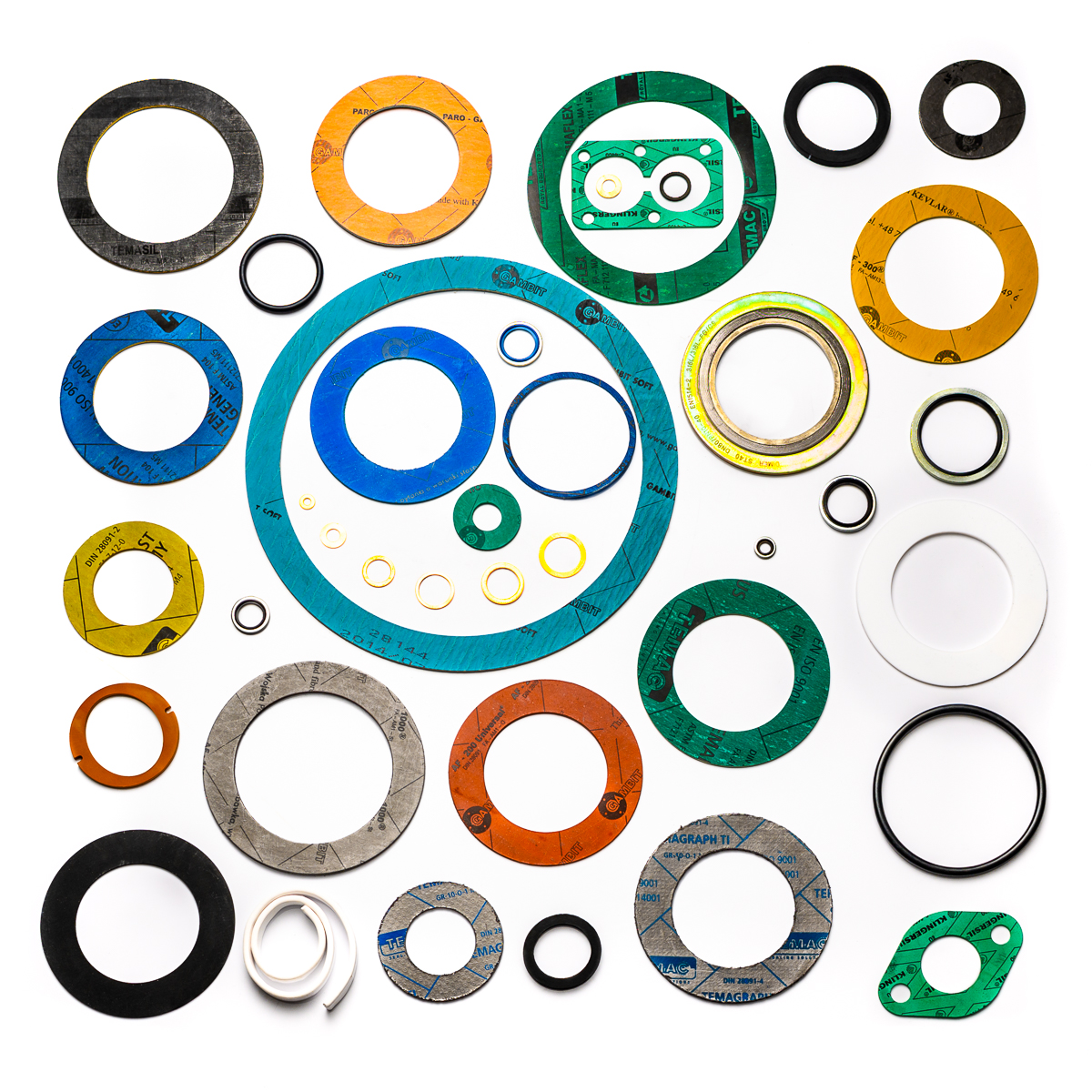
Gaskets - Which ones to choose?
Gaskets are essential components in a wide range of applications, from industrial machinery to household appliances. Their primary function is to create a seal between two surfaces, preventing leaks and ensuring that systems operate efficiently. With so many different types of gaskets available, choosing the right one can be quite challenging. The selection process depends on various factors, including the operating environment, the materials involved, and the specific requirements of the application.
When selecting a gasket, one of the first things to consider is the material from which it is made. The material determines the gasket's ability to withstand different conditions, such as temperature, pressure, and exposure to chemicals. For instance, PTFE (polytetrafluoroethylene) gaskets are known for their exceptional performance in demanding environments. PTFE is a high-performance material that offers excellent chemical resistance and can operate at extreme temperatures, making it ideal for applications where other materials might fail.
Another factor to consider is the type of seal you need. Gaskets can be used to seal a variety of substances, including liquids, gases, and steam. The type of gasket you choose should be compatible with the medium it will be sealing. For example, PTFE gaskets are particularly well-suited for sealing cold and hot water, steam, alcohol, salt solutions, and even weak acids and bases. Their incredible versatility makes them a really popular choice in many industries.

Get it here>>
Gaskets - what are their advantages?
Gaskets offer numerous benefits that make them indispensable in various applications. Here are some of the key advantages of using gaskets:
- Temperature resistance - one of the most significant advantages of gaskets, especially those made from PTFE, is their ability to withstand extreme temperatures. PTFE gaskets can handle a maximum intermittent operating temperature of up to 315°C and continuous temperatures ranging from -200°C to +260°C. This makes them ideal for applications where temperature fluctuations are a concern, ensuring that the seal remains intact even under harsh conditions.
- Chemical resistance - gaskets made from materials like PTFE are highly resistant to a wide range of chemicals. This includes resistance to water (both hot and cold), steam, alcohol, salt solutions, and weak acids and bases. This chemical resistance ensures that the gasket will not degrade or lose its sealing properties when exposed to these substances, providing a reliable seal in various environments.
- No moisture absorption - PTFE gaskets are also known for their lack of moisture absorption. This is a critical and a vital feature in applications where exposure to moisture could compromise the integrity of the seal. The non-porous nature of PTFE ensures that the gasket maintains its sealing properties over time, even in wet conditions.
- Durability – gaskets are designed to last, offering long-term performance with minimal maintenance. The durability of materials like PTFE means that gaskets can provide a reliable seal for extended periods, reducing the need for frequent replacements and lowering overall maintenance costs.
- Versatility - gaskets are used in a wide range of applications, from sealing pipes and flanges to preventing leaks in machinery and appliances. Their versatility makes them an essential component in industries such as oil and gas, chemical processing, food and beverage, and pharmaceuticals.
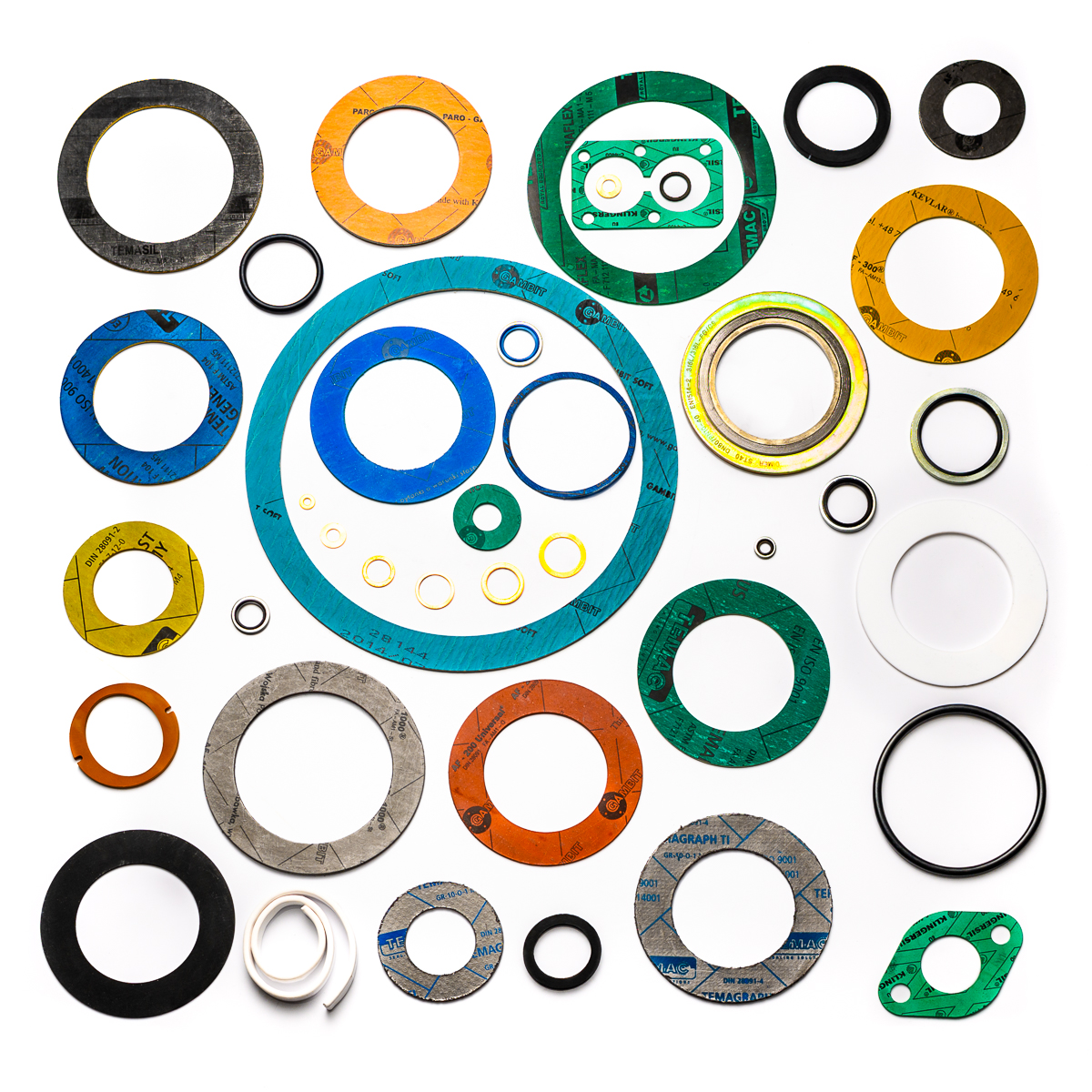
Gaskets - helpers for every handyman!
For DIY enthusiasts and professionals alike, gaskets are an essential tool in the toolbox. Ease of use is one of the reason why they are a "must-have" for every handyman. Gaskets are relatively easy to install, making them accessible to both professionals and amateurs. Moreover, gaskets are a really cost-effective solution, as they are simply not that expensive. This can save you money in the long run by reducing the need for expensive repairs or replacements. Also, gaskets are used in countless applications, making them incredibly versatile and available. Their ability to provide a reliable seal in a variety of conditions makes them an essential component for any handyman. Furthermore, gaskets are designed to provide a dependable seal that you can trust. Whether you're working on a critical industrial application or a simple home project, you can rely on gaskets to deliver consistent performance. When it comes to preventing leaks and ensuring the proper functioning of systems, reliability is key.
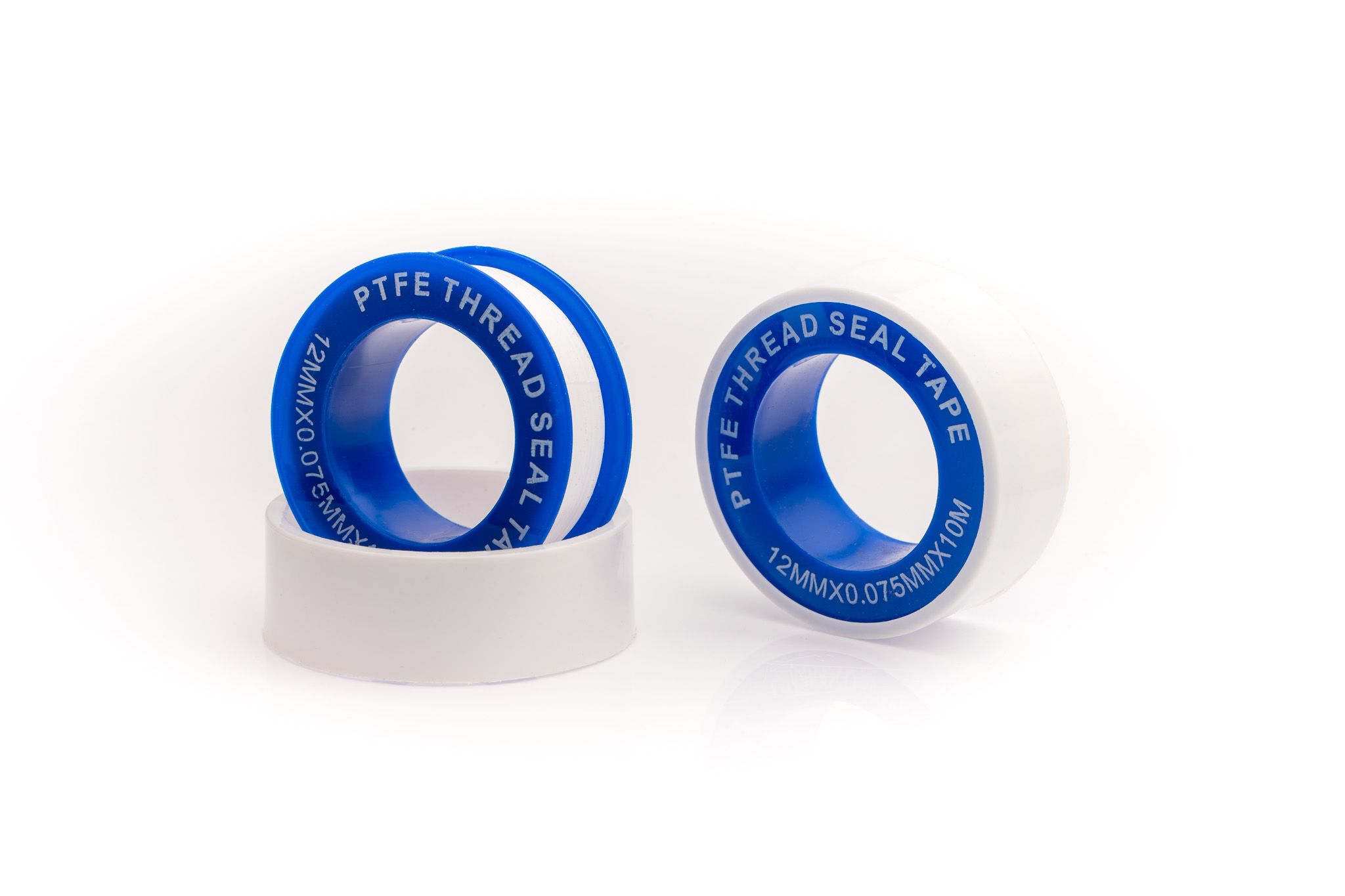

Gaskets - mistakes you shouldn't make!
Gaskets are critical components used in various industries, from automotive to plumbing, ensuring a tight seal between two surfaces to prevent leaks and maintain system integrity. Despite their small size, gaskets play a vital role in the efficiency and safety of many applications. However, choosing and using gaskets incorrectly can lead to costly failures, system downtime, and even safety hazards. This short blog post will discuss common mistakes people make when dealing with gaskets and how to proceed so that nothing goes south.
Gaskets - how to choose the right size?
One of the most common mistakes made with gaskets is choosing the wrong size. A gasket that is too large or too small can compromise the seal, leading to leaks and potential system failures. Dear handyman, please, measure accurately the surfaces you need to seal. This is the very first step in selecting the right gasket size. This includes naturally both the inner and outer diameter, as well as the thickness of the gasket. Remember that even a slight deviation in size can affect the gasket's ability to seal properly. Don’t forget also about the specification of the application you’re using. For example, high-pressure systems might need thicker gaskets to withstand the force, while low-pressure systems can use thinner gaskets. However, when a gasket is too thick it may not compress enough, while one that is too thin may not fill the gap completely. Understanding the specific requirements of your application will help you choose the right size. Don’t worry, when in doubt, using a template or a guide can help you ensure choosing the correct gasket size. Many manufacturers provide sizing guides that can assist in selecting the right gasket for your specific needs.
Gaskets - why does quality matter?
Another critical mistake is underestimating the importance of gasket quality. Surely using low-quality gaskets might save money upfront, but in the long run it can lead to significant issues down the road. Durability and longevity are most important issues. High-quality gaskets are made from superior materials that can withstand harsh conditions, such as extreme temperatures, pressure, and chemical exposure. For example, PTFE gaskets are known for their exceptional chemical resistance and ability to perform in both high and low-temperature environments. Low-quality gaskets, on the other hand, are more likely to degrade over time, leading to leaks and system failures. Investing in quality gaskets ensures long-term durability and reduces the need for frequent replacements. Be aware that poor-quality gaskets can lead to leaks that might cause dangerous situations, especially in systems that transport hazardous materials or operate under high pressure. Ensuring you use high-quality gaskets is not just about protecting the system but also about ensuring the safety of everyone who works with or around that system.

Get it here >>
Gaskets - always choose them with potential failures in mind!
Gaskets are small but mighty components that play a critical role in the functionality and safety of many systems. Avoiding common mistakes — such as choosing the wrong size, underestimating the importance of quality, and failing to consider potential failure scenarios — can make a significant difference in the performance and longevity of your system. Here’s why you should always choose gaskets with potential failures in mind. First of all, by choosing gaskets that exceed the minimum requirements, you build a safety margin into your system, reducing the likelihood of failure. Always consider what the gasket will be exposed to in the system, as gaskets must also be selected based on the operational environment. For instance, if the system involves corrosive chemicals, freezing temperatures or high humidity, select a gasket material like PTFE, which is highly resistant to a wide range of chemicals. Failing to consider the environment can lead to gasket failure, resulting in leaks and potential costly repairs.
Gaskets you can buy here >>
We offer a wide range of gaskets. If you have any questions, please contact us. Call us at 63/2614202 or send an inquiry to the e-mail address: biuro@polberis.pl, we will prepare a price offer for you.
If you want to know how much you will pay for transport to your country, write us an email: biuro@polberis.pl. We will send you an offer. If you have a European VAT number and don't want to pay TAX, write to us for an offer. Please free feel to contact us for any information